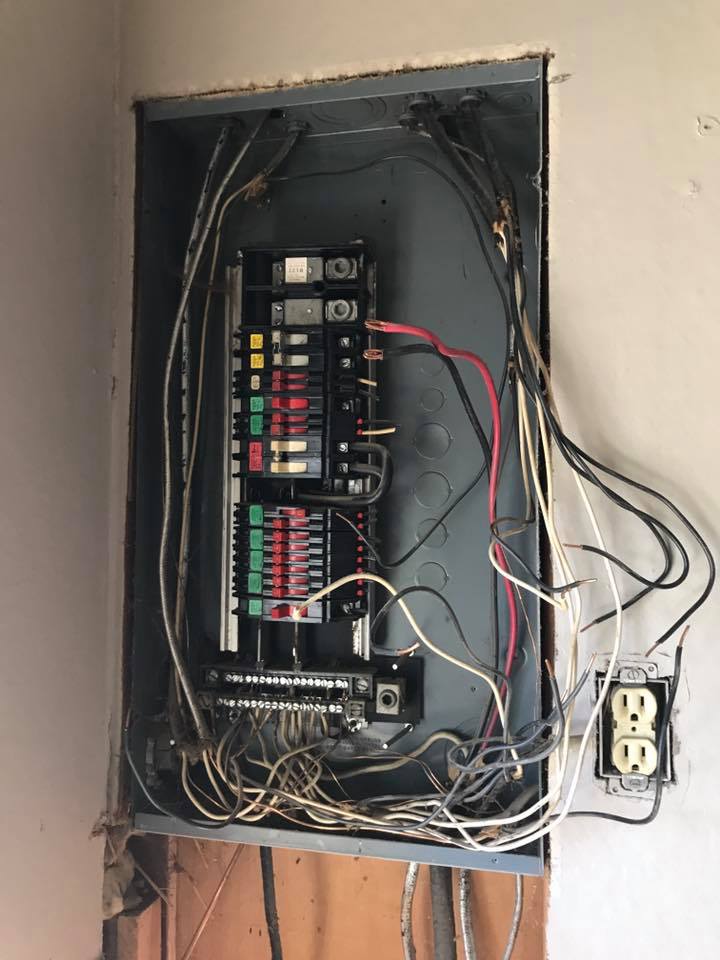
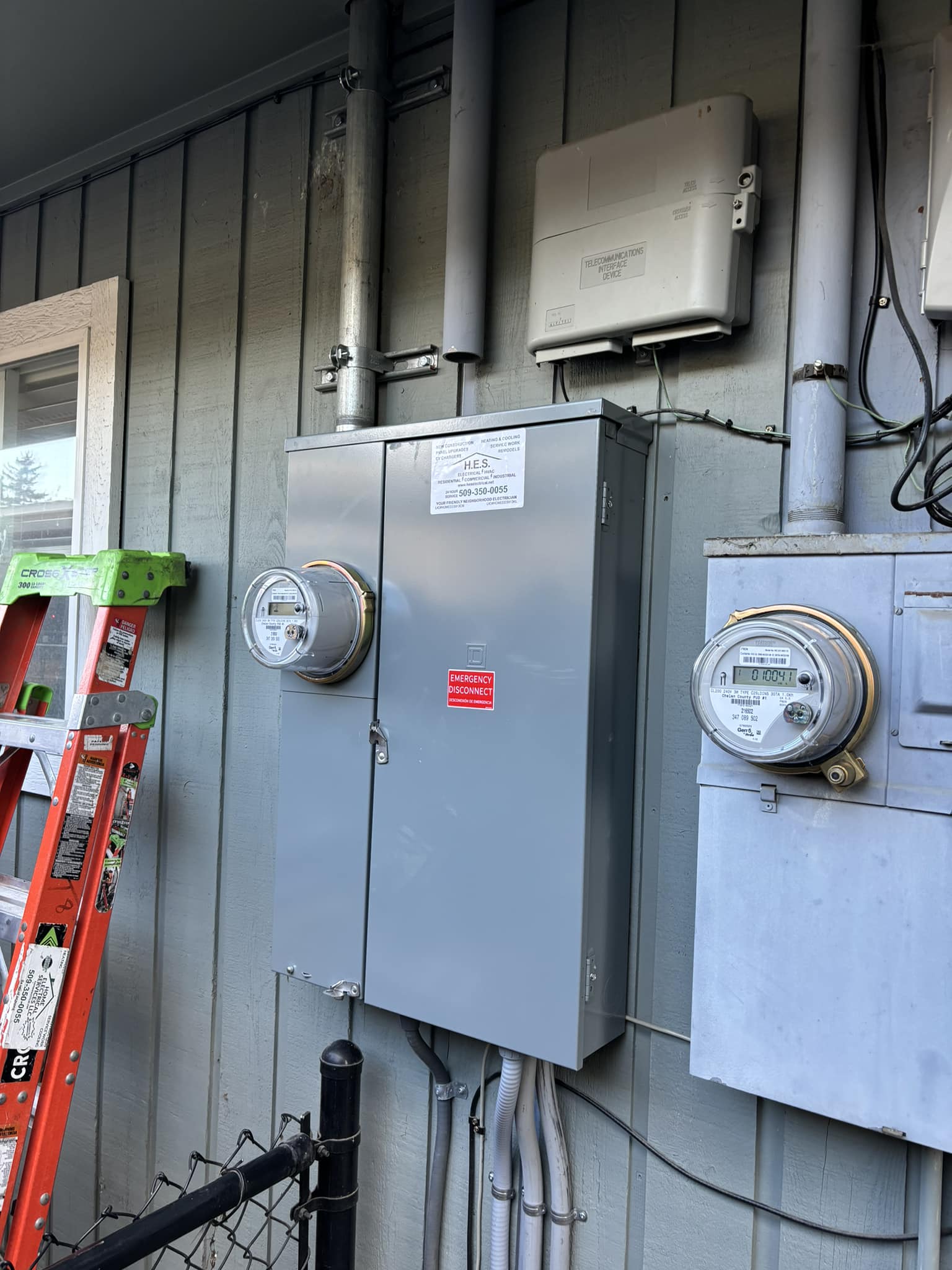
Electric panel upgrades are often necessary when a home’s electrical system can no longer safely support modern demands. If breakers trip frequently, appliances cannot run together, or renovations stall due to power limitations, the issue is often an outdated or overloaded panel.
In some homes, the concern goes beyond capacity. Older electrical panels manufactured by Federal Pacific Electric or Zinsco have documented safety concerns, including breakers that may fail to trip during overload conditions. These panels are frequently flagged during home inspections and may present increased fire risk.
Many homes were built with 100-amp service designed for a different era. Today’s HVAC systems, EV chargers, tankless water heaters, and high-load appliances require greater electrical capacity and safer distribution.
When the house starts working around the panel instead of the other way around, it is time to evaluate whether a panel upgrade is needed.
Residential Electrical Panel Upgrades are often misunderstood as a simple equipment swap. In reality, the panel is the control point for the entire electrical system. Every circuit, appliance, and major load depends on how that panel manages power.
Shortcuts fail because capacity isn’t just about amperage. Load distribution, breaker coordination, grounding, and future demand all matter. Replacing a panel without understanding how the home uses electricity can create new issues instead of solving existing ones.
Home Electrical Services LLC treats panel upgrades as a planning exercise, not a rush job. The work begins with understanding how the home is lived in today and how it may change over time.
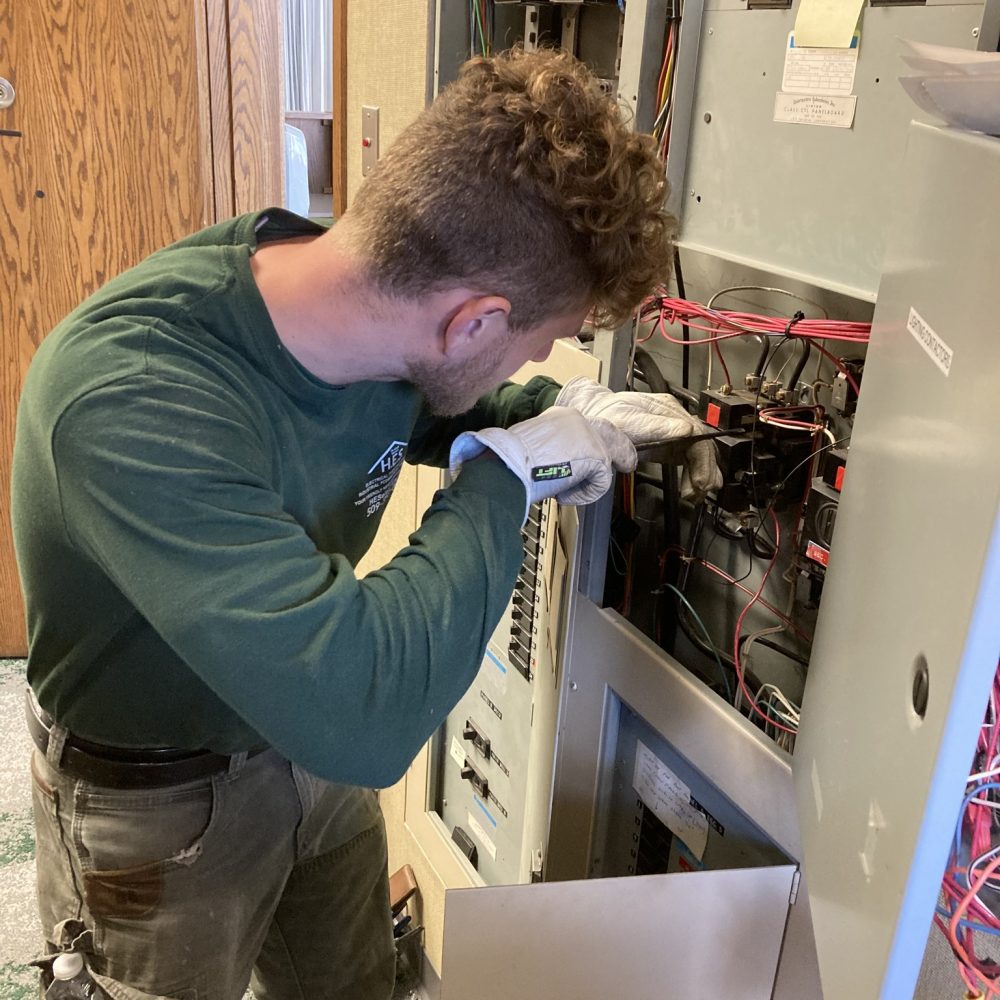
Evaluation looks at current usage patterns, appliance demand, and electrical behavior during peak use. Options are explained clearly, including why certain upgrades make sense and others don’t. Once approved, the upgrade is completed carefully, with testing performed to confirm the system performs reliably under normal household conditions.
A residential panel upgrade involves more than the panel itself. Existing circuits, grounding systems, service size, and major appliances all influence what upgrade is appropriate.
Future needs are part of the decision. Electric vehicles, HVAC upgrades, home offices, or additions can quickly consume unused capacity if they aren’t planned for early. Evaluating these factors together helps avoid installing a panel that becomes outdated again in a few years.
One common misconception is that frequent breaker trips mean breakers are faulty. Another is assuming any higher-amp panel automatically solves capacity issues.
Homes also accumulate electrical changes over time. Added outlets, remodeled spaces, and new appliances slowly increase demand. Addressing only the panel without understanding these changes often leads to continued limitations even after an upgrade.
Residential panels usually fail gradually. These conditions frequently signal that the system is under strain:
Kitchens, laundry rooms, and home offices concentrate electrical demand far beyond original design.
New heating and cooling equipment draws more power than older systems.
Charging stations introduce sustained, high-demand loads that older panels weren’t built to handle.
Expanded living space increases circuit demand without expanding capacity.
Older panels and connections degrade under modern usage patterns.
Power strips and extension cords indicate capacity problems, not convenience.
When a panel upgrade is planned correctly, daily life becomes simpler. Appliances run together without issue. HVAC systems perform consistently during high demand. Renovation and upgrade plans move forward without electrical limitations.
Residential electrical panel upgrades restore flexibility. Instead of managing around electrical constraints, homeowners regain confidence in their system’s ability to support both current needs and future changes safely.
Where Home Electrical Services LLC Performs Residential Electrical Panel Upgrades includes Moses Lake as the home base, with service extended to Spokane, Wenatchee, Ephrata, and across Central Washington. The same H.E.S. team handles evaluation and installation, with planning prioritized to ensure safe, reliable outcomes.
Schedule Service With Licensed Electricians
Frequent breaker trips, limited ability to run appliances together, renovation restrictions, or the addition of high-demand equipment often indicate capacity limitations. An evaluation confirms whether the panel is the true constraint or if other issues are involved.
Not always. Many upgrades focus on improving capacity and safety at the panel while keeping existing circuits. Wiring condition is evaluated to determine what work is necessary to support the upgraded panel safely.
Yes, when planned correctly. Future electrical needs are considered during evaluation so the upgraded panel can accommodate additional loads without requiring another upgrade shortly after installation.
Power will need to be shut off during the upgrade, but disruption is typically limited. Timing and scope are discussed beforehand so homeowners know what to expect and can plan accordingly.
Yes. Modern panels provide better protection against overloads and faults. Addressing capacity limitations and aging components reduces the risk of overheating and electrical hazards within the home.
Make Your Home’s Electrical System Work Again by addressing capacity limits at the source. Home Electrical Services LLC provides careful evaluation and practical panel upgrade solutions that support how homes are actually used.
Panel upgrades are planned, explained, and completed with safety and reliability as the priority—not speed or shortcuts.