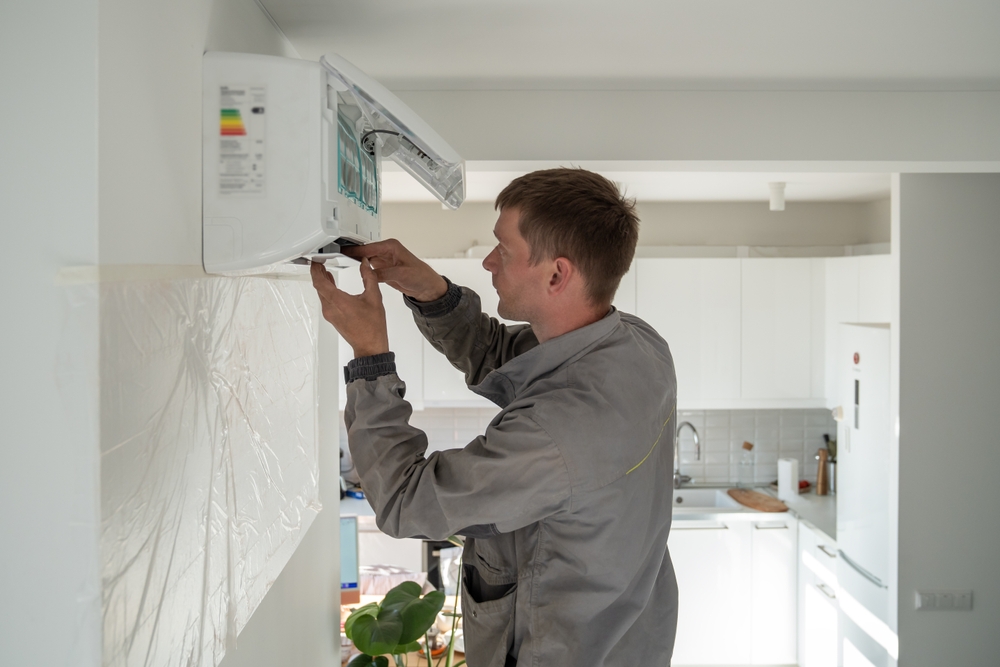
HVAC installation is about fitting the right system to the way a home actually lives and breathes. Replacing aging equipment or upgrading performance requires more than swapping units. This service focuses on system compatibility, sizing, and layout so heating and cooling work together reliably from day one.
Most HVAC systems aren’t replaced because they stop working entirely. They’re replaced because they no longer fit the home. Airflow feels uneven. Certain rooms never quite reach temperature. Energy use climbs even though habits haven’t changed.
Homes evolve faster than HVAC systems. Insulation improves, windows change, additions are built, and electrical demand increases. Over time, the original system becomes mismatched. Replacing equipment without addressing that mismatch simply transfers old limitations into new hardware.
Replacing heating and cooling equipment isn’t about removing one unit and installing another. It’s a transition from one operating reality to another.
Older systems often relied on different airflow assumptions, simpler controls, and lower efficiency expectations. New systems behave differently. They modulate, communicate, and respond to conditions in ways older ductwork or layouts may not support without adjustment.
HVAC installation works when the transition is planned. Without that planning, even high-efficiency equipment struggles to deliver consistent comfort.
HVAC Installation fails most often when equipment is chosen first and evaluated second. System performance depends on sizing accuracy, airflow balance, electrical readiness, and control coordination.
Oversized systems short-cycle. Undersized systems never catch up. Ductwork that restricts airflow limits output regardless of equipment quality. Proper installation considers how all components work together before anything is set in place.
Each option serves a different purpose. The goal isn’t to sell technology—it’s to align equipment choice with how the home is used, how often systems run, and what level of control homeowners expect.
Replacement & system upgrades are most effective when aligned with how the home is used today.
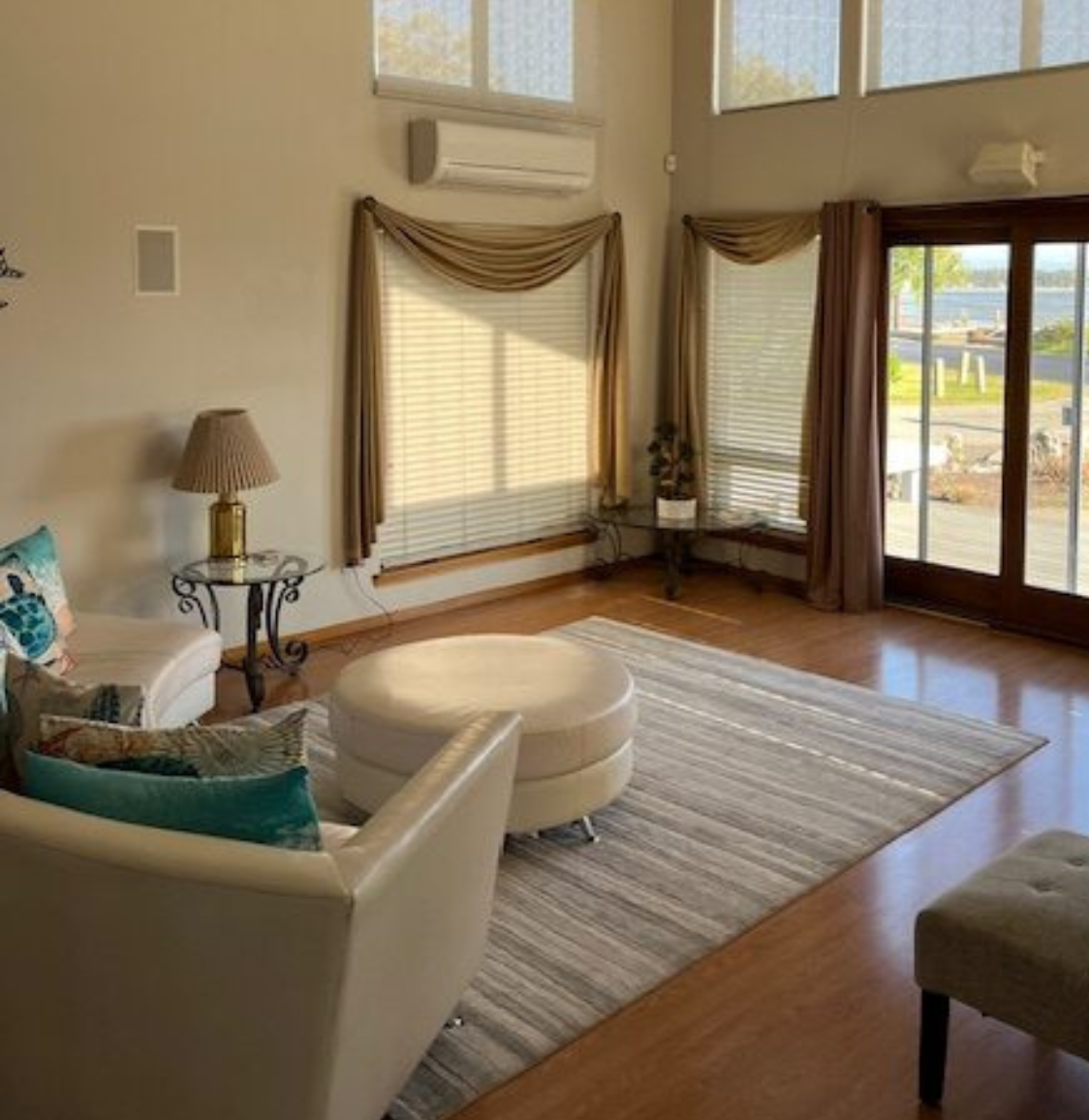
High-efficiency furnace and AC replacements reduce energy waste when properly sized and supported by airflow that matches output. Cold-climate heat pumps and dual-fuel systems provide flexibility when temperatures swing, allowing systems to adapt instead of strain. Ductless mini-splits solve comfort problems in homes, additions, and ADUs where traditional ducting creates limitations.
Each upgrade path serves a different purpose. The right choice depends on comfort goals, layout, and long-term plans—not trends or labels.
Home Electrical Services LLC approaches installation as a design process. The work starts with understanding how the home behaves throughout the year, not just during peak seasons.
Comfort patterns, airflow movement, and system response are reviewed before recommendations are made. Electrical capacity, control compatibility, and layout constraints are considered together. Installation follows a deliberate sequence focused on correct setup, calibration, and verification.
The goal is a system that performs predictably from day one, not one that requires ongoing adjustment to feel right.
Performance is shaped by decisions made before installation begins. Equipment ratings matter, but they don’t compensate for poor fit.
Airflow must match system output. Controls must communicate correctly. Electrical supply must support startup and sustained operation. When these factors align, systems operate efficiently and comfortably. When they don’t, even premium equipment underperforms.
HVAC installation succeeds when these relationships are respected instead of assumed.
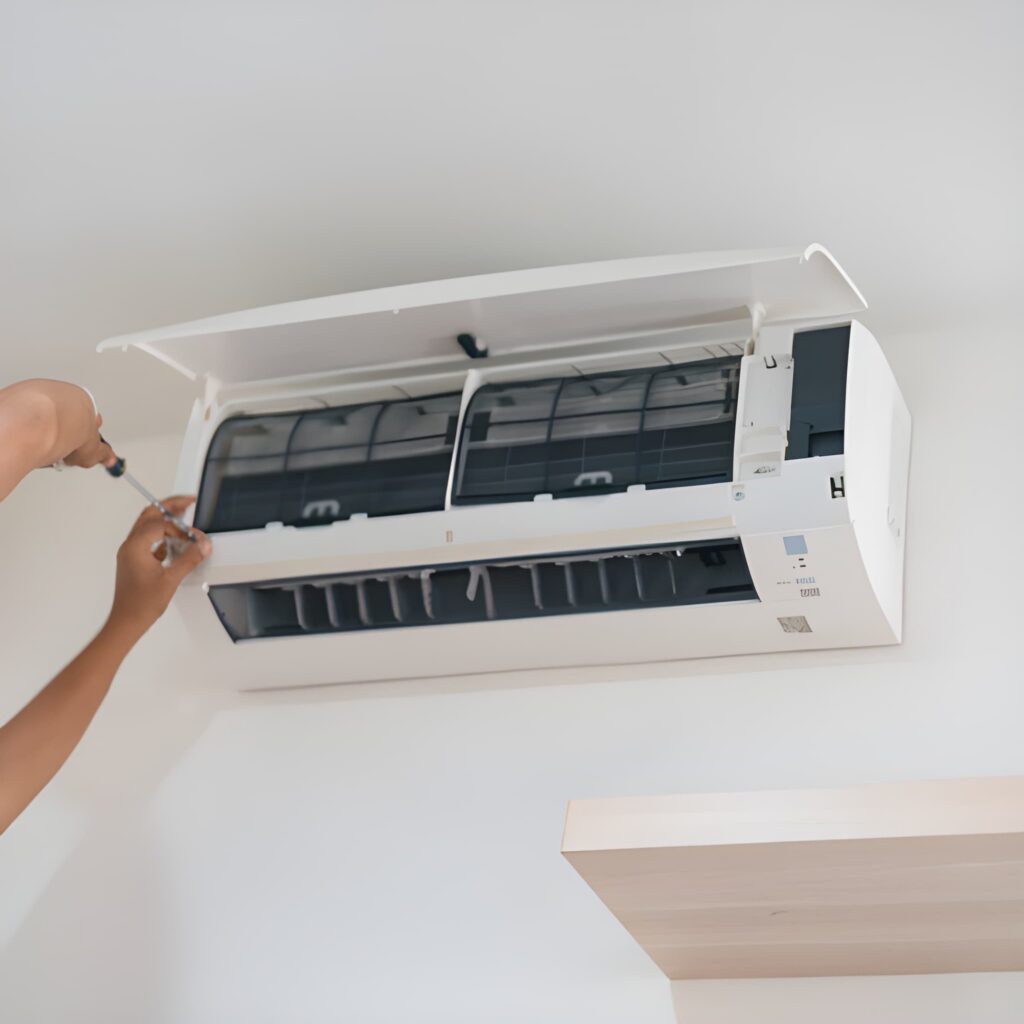
Not every home benefits from the most complex system available. Strategic upgrades often provide better results.
Dual-fuel systems balance heat pump efficiency with furnace reliability during extreme cold. Ductless mini-splits add targeted comfort without disturbing existing systems. Partial upgrades resolve persistent issues without unnecessary cost or disruption.
Choosing the right upgrade path prevents overbuilding while delivering measurable comfort improvements.
Many installation issues don’t appear immediately. They surface months or years later as efficiency loss or repeated service calls.
Oversized or undersized systems operate inefficiently and wear faster.
Duct limitations restrict performance regardless of equipment quality.
Inadequate supply affects startup reliability and control behavior.
Incorrect settings reduce comfort and increase cycling.
Systems not fully tested often reveal problems after installation.
Systems not planned for future needs become outdated quickly.
A correctly installed system feels different. Temperatures stabilize instead of drifting. Rooms respond evenly. Systems run quieter and cycle more naturally.
HVAC installation done with intention reduces the need for constant thermostat changes and service calls. Comfort becomes consistent rather than conditional. Reliability improves because the system is operating within its intended range instead of compensating for mismatches.
Where Home Electrical Services LLC Performs HVAC Installation includes Moses Lake as the service base, with installation and replacement services available in Spokane, Wenatchee, Ephrata, and throughout Central Washington. The same H.E.S. team manages evaluation, installation, and system verification to ensure consistent outcomes.
Schedule Service With Licensed Electricians
Replacement is often the better option when systems show declining efficiency, uneven comfort, or frequent repair needs. An installation evaluation compares operating cost, reliability, and remaining lifespan to determine whether upgrading provides better long-term value.
Energy savings depend on proper sizing, airflow balance, and system setup. A correctly installed high-efficiency system typically reduces energy use, but real improvements come from matching equipment to the home’s layout and usage patterns.
No. Ductless systems work well for additions, bonus rooms, ADUs, or areas with comfort issues. They allow targeted heating and cooling without altering existing duct systems or replacing the main HVAC equipment.
Cold-climate heat pumps are designed to maintain heating performance at lower outdoor temperatures. They use advanced compressors and controls to deliver consistent heat without relying heavily on backup systems during winter conditions.
Most residential installations are completed within one to two days, depending on system type and complexity. Time is also allocated for proper setup, testing, and verification to ensure the system operates as intended from the start.
Plan HVAC Installation That Fits Your Home with Home Electrical Services LLC. Systems are selected, installed, and verified based on how the home actually operates—not assumptions or shortcuts.
Replacement and upgrades are handled with planning, precision, and accountability so comfort and efficiency aren’t left to chance.